BAT REMOVAL
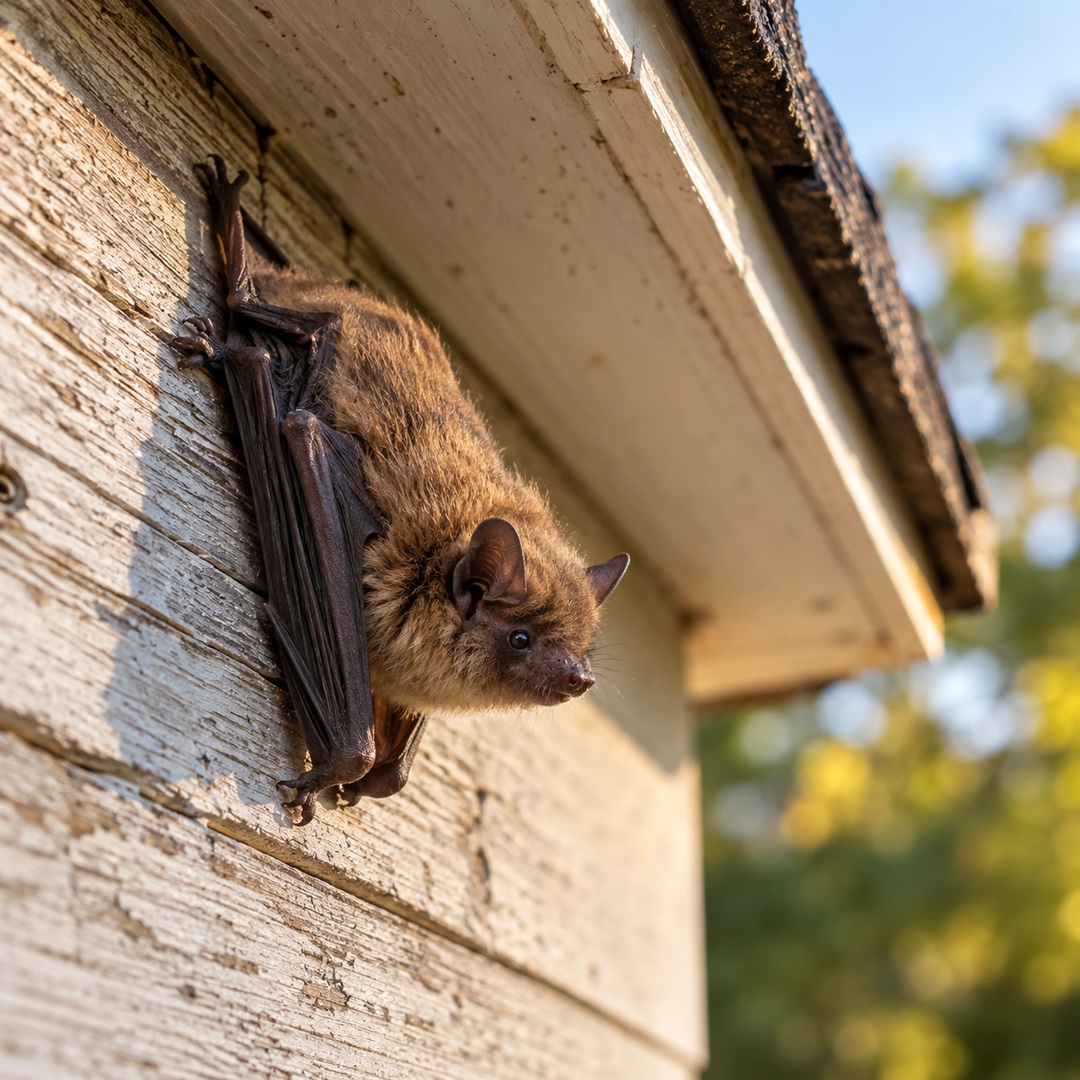
A bat inside a living area and repeated activity around an attic require different assessments.
EXPLORE SERVICEWildlife Removal for Ithaca properties. An animal in an attic and one sheltering beneath a deck call for different access and removal plans. Call or text (607) 260-6622 to request a free consultation.
Open 24 Hours • Emergency Services Available

A PLAN FOR THE REPORTED PROBLEM
An animal in an attic and one sheltering beneath a deck call for different access and removal plans. We review the animal signs the affected space and the accessible routes before recommending removal.
Fall Creek near the lake and South Hill near Ithaca College give property owners different building layouts and access conditions to describe. Tell us the street neighborhood and whether the affected room is above below or beside the animal activity. For a multiunit property identify the unit and who can provide attic or exterior access.
CHOOSE THE WORK YOU NEED
Explore the services in this category for Ithaca properties. Each recommendation follows an assessment of the animal activity building access and affected materials.
A bat inside a living area and repeated activity around an attic require different assessments.
EXPLORE SERVICE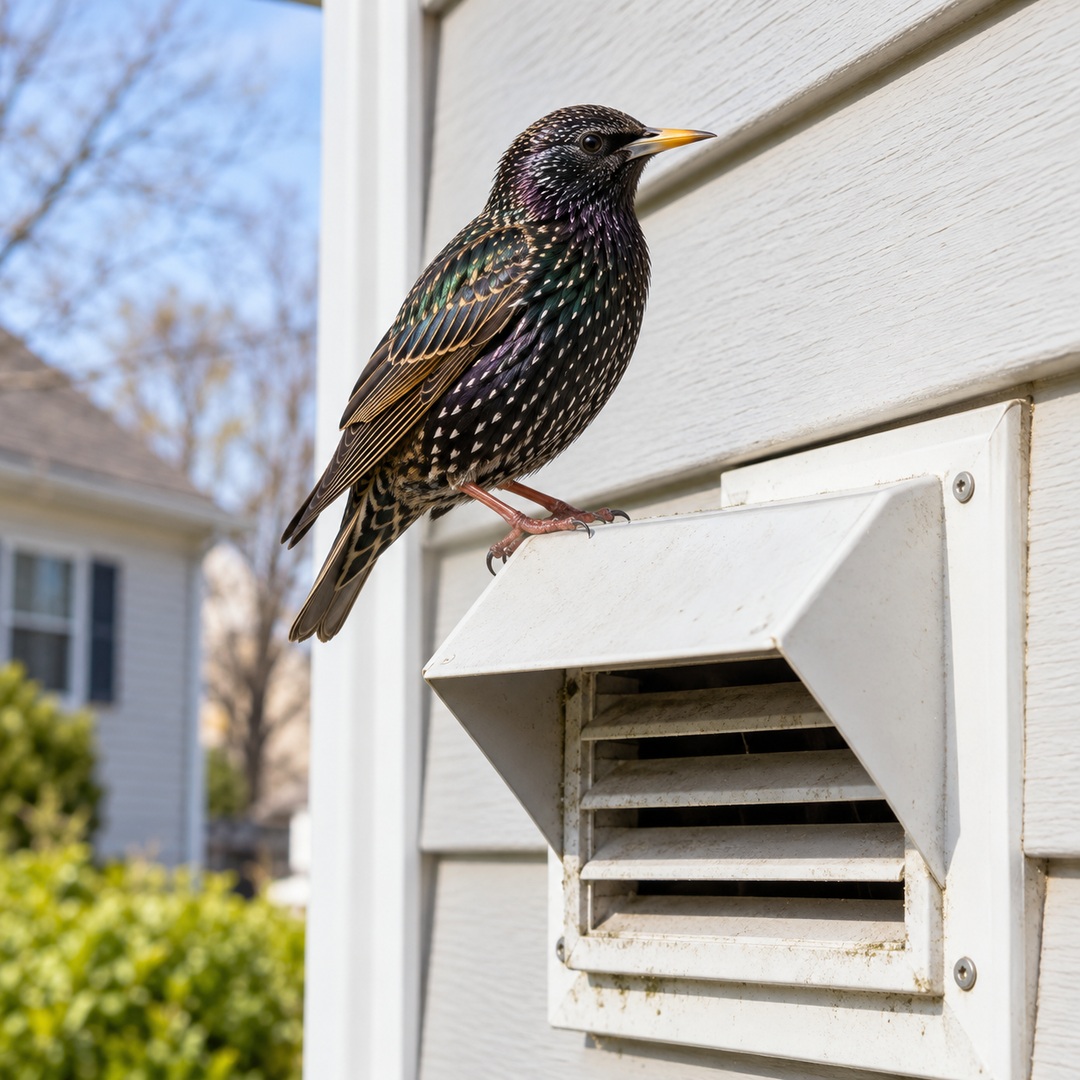
Birds entering a vent or sheltered building opening can create a problem that is different from birds simply visiting a yard.
EXPLORE SERVICE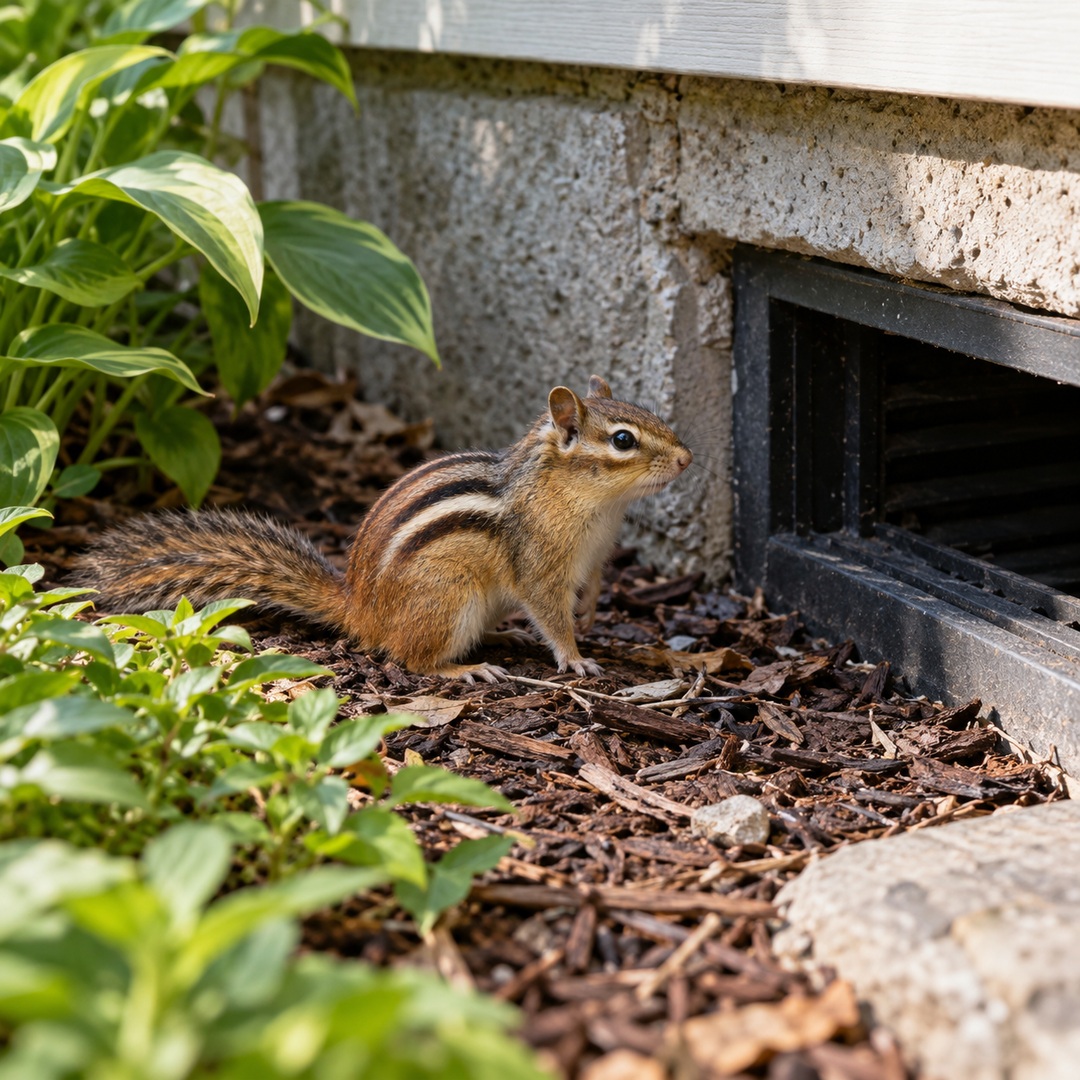
Chipmunk activity beside steps foundation edges and sheltered openings needs a closer look before a plan is chosen.
EXPLORE SERVICE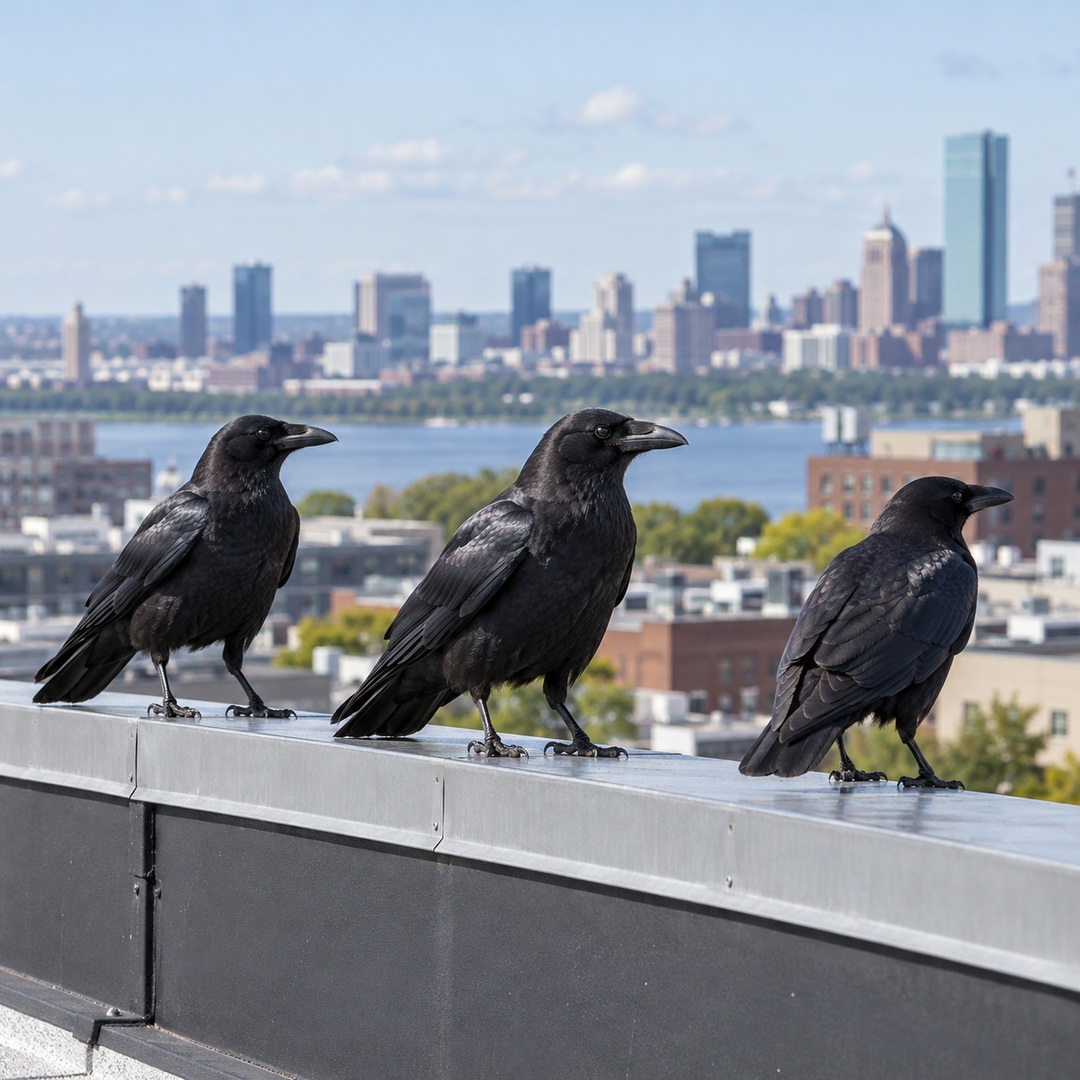
Repeated crow gathering around a property may require a dispersal conversation rather than a plan for an animal trapped inside a room.
EXPLORE SERVICE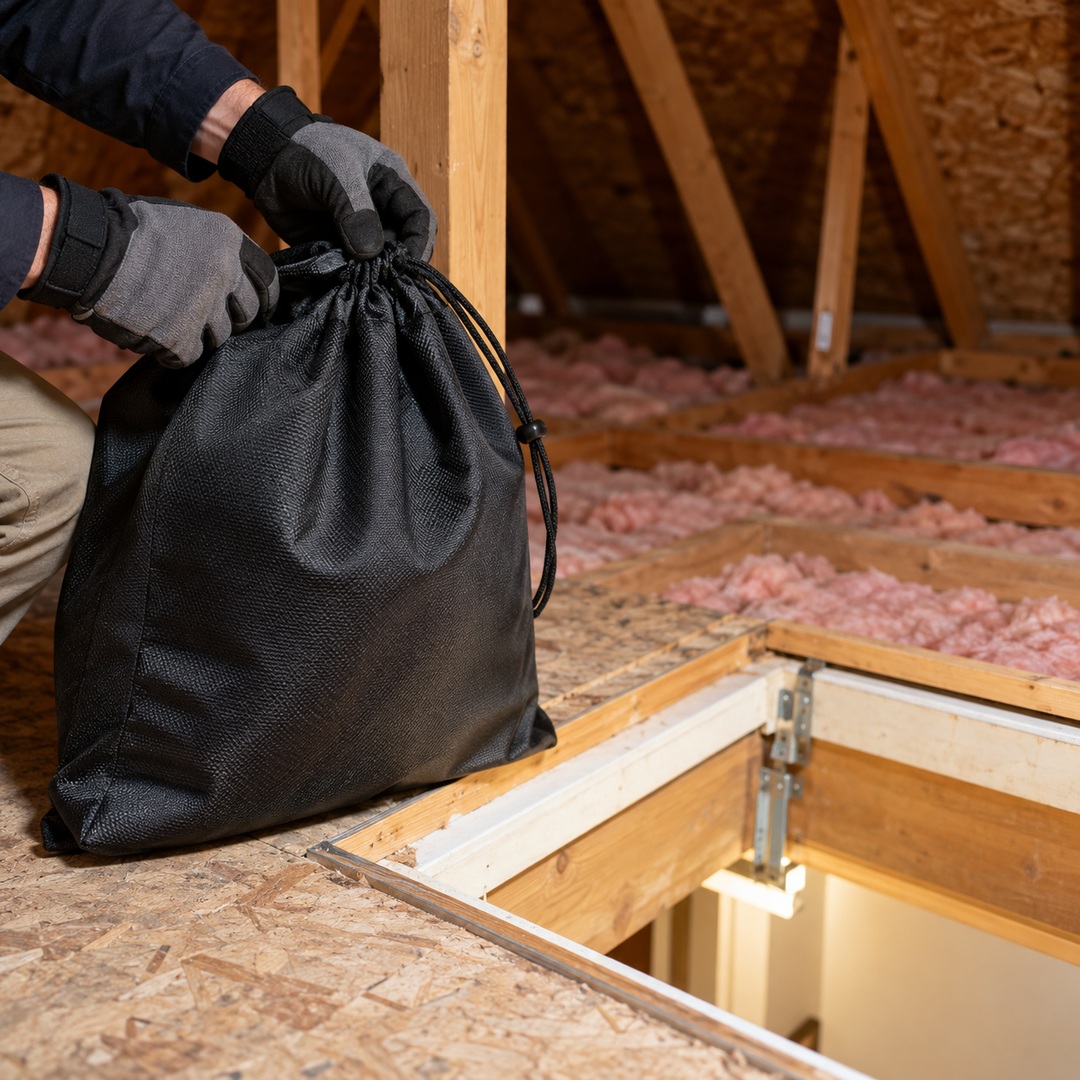
A persistent odor may point to a deceased animal in an accessible or concealed space. Odor alone does not establish the source.
EXPLORE SERVICE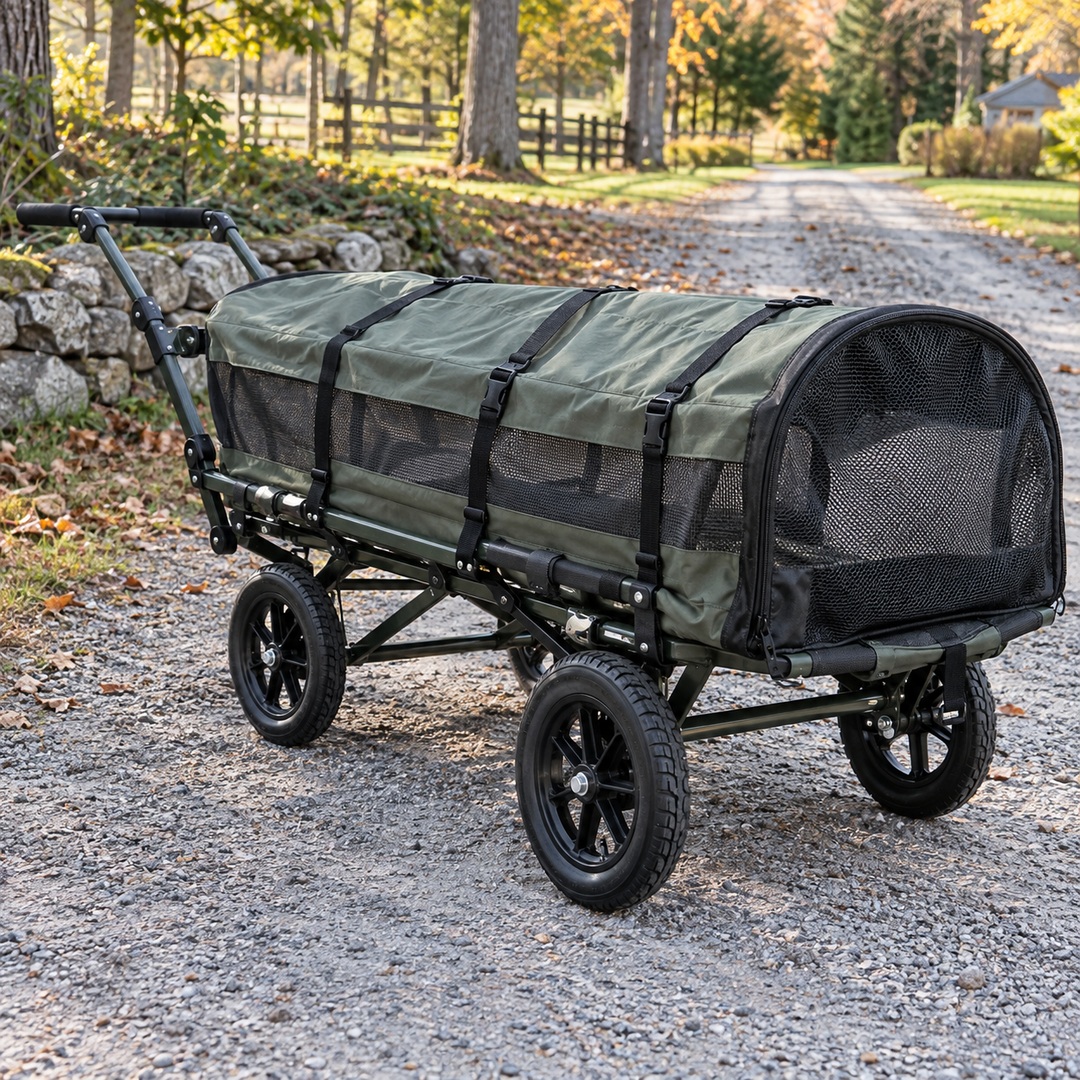
A deer carcass presents a different access and handling problem from a small animal inside a building.
EXPLORE SERVICE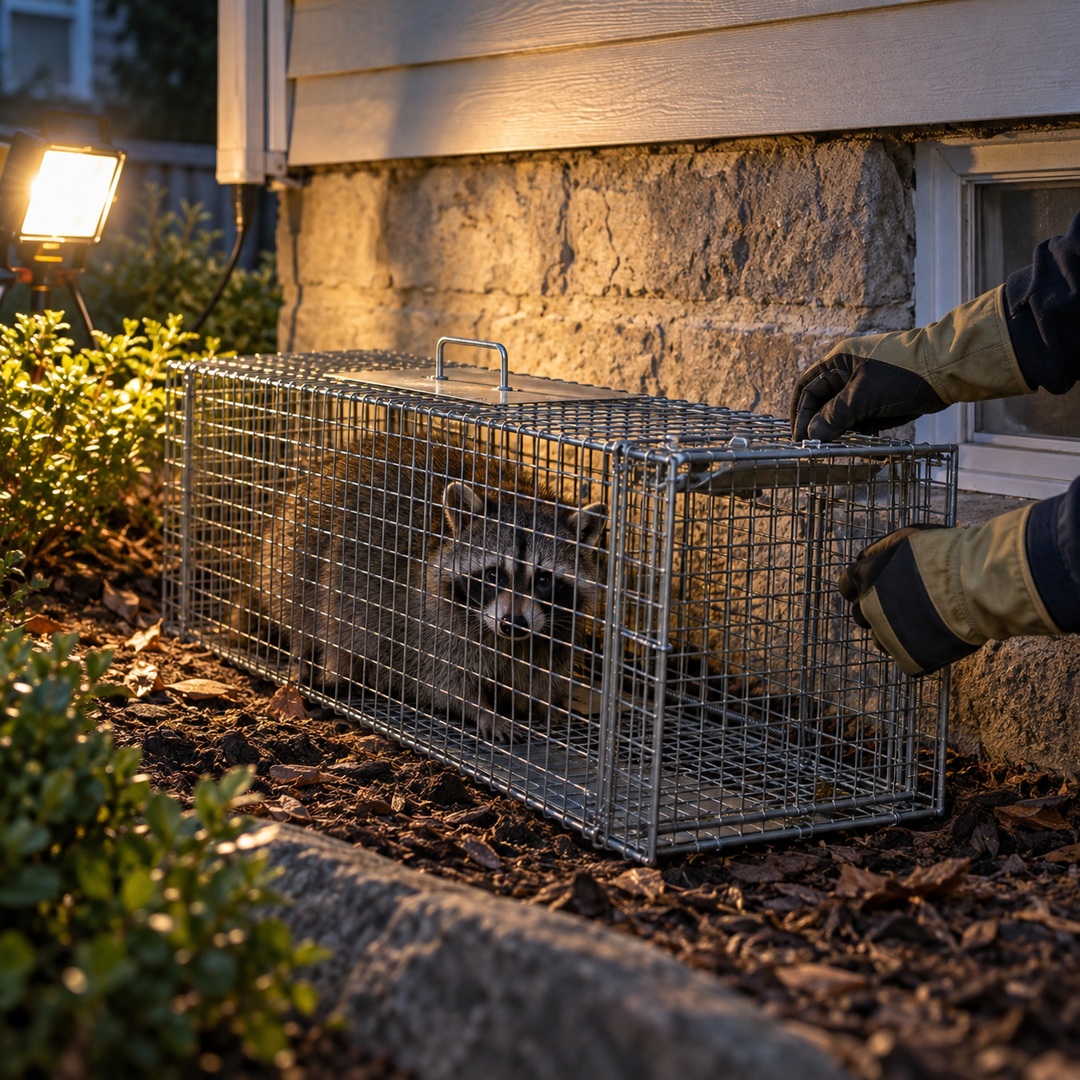
An animal in an occupied room or a wildlife problem affecting access calls for a clear description of what is happening now.
EXPLORE SERVICE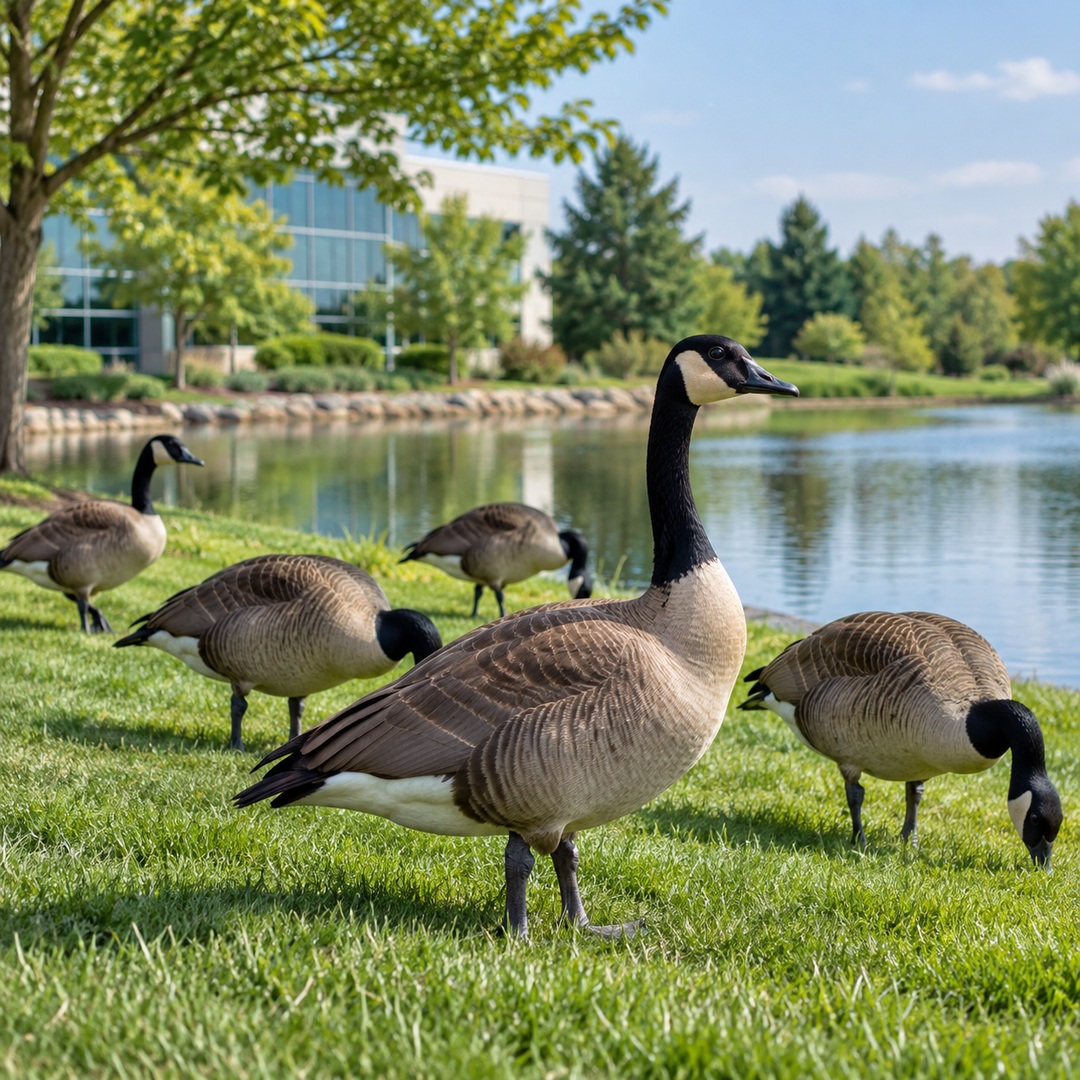
Recurring goose activity can affect the use of lawns ponds and other developed outdoor spaces.
EXPLORE SERVICE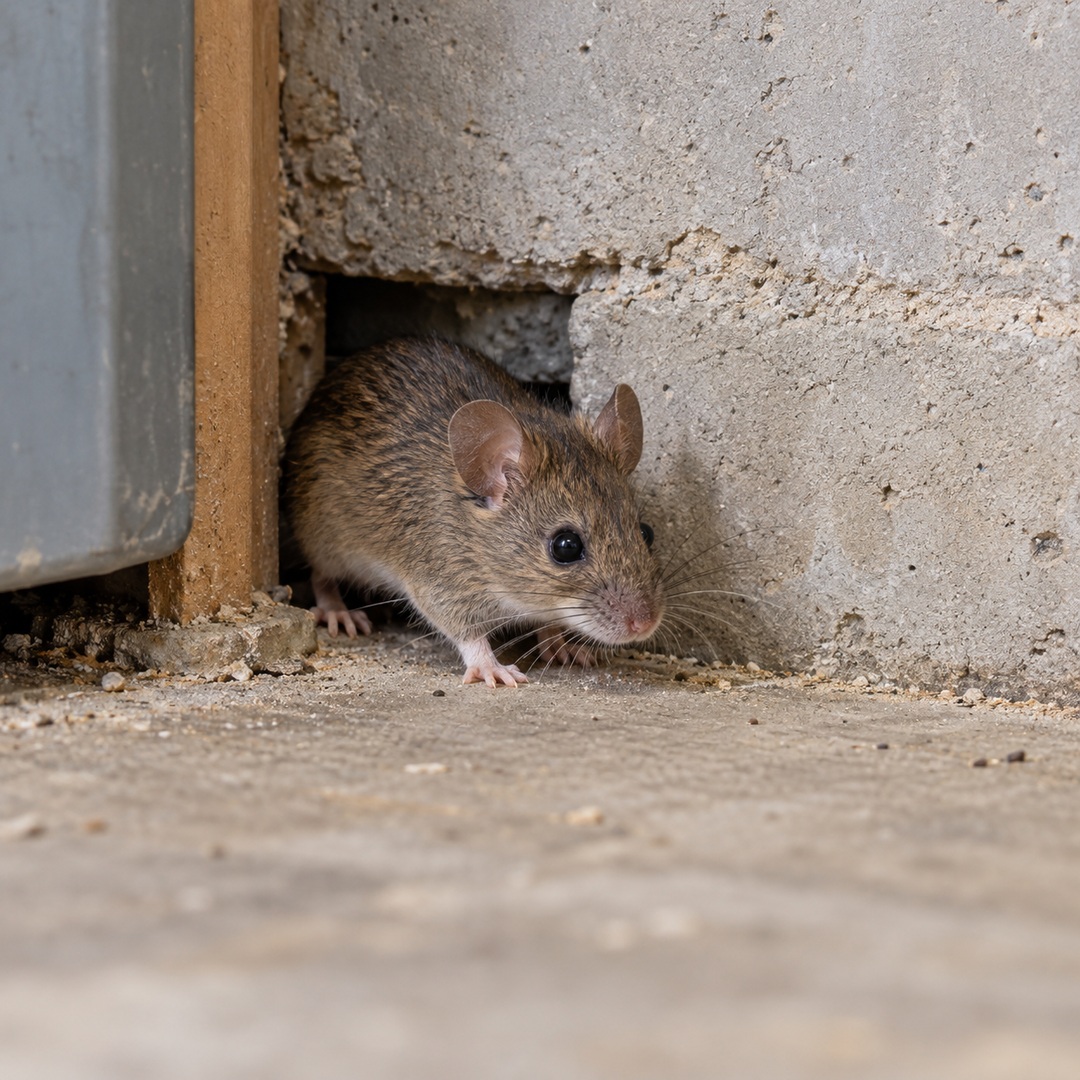
Small openings and sheltered spaces can support mice or rat activity even when the animal itself is rarely seen.
EXPLORE SERVICE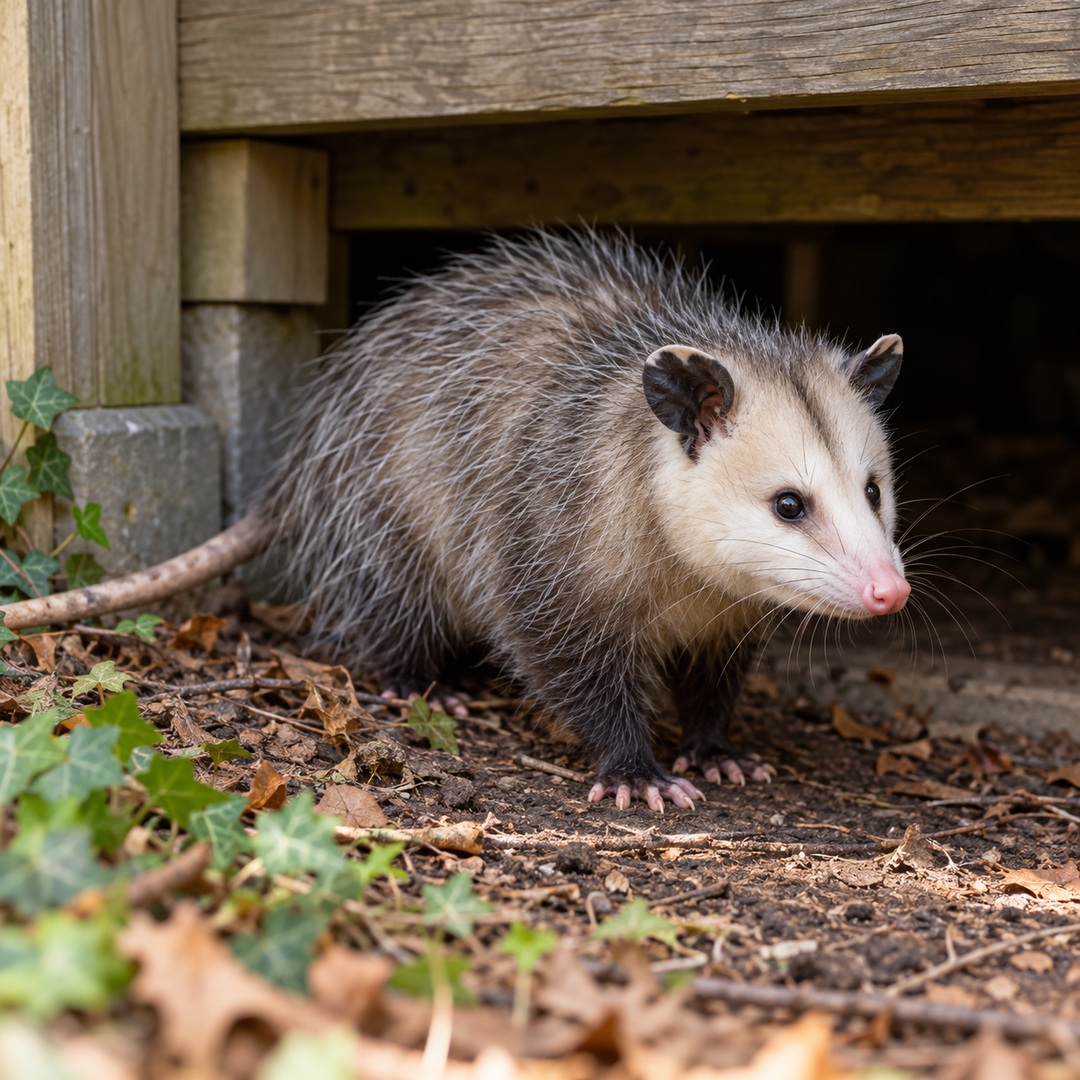
An opossum beneath a porch or inside a shed may be using a protected space rather than passing through the yard.
EXPLORE SERVICE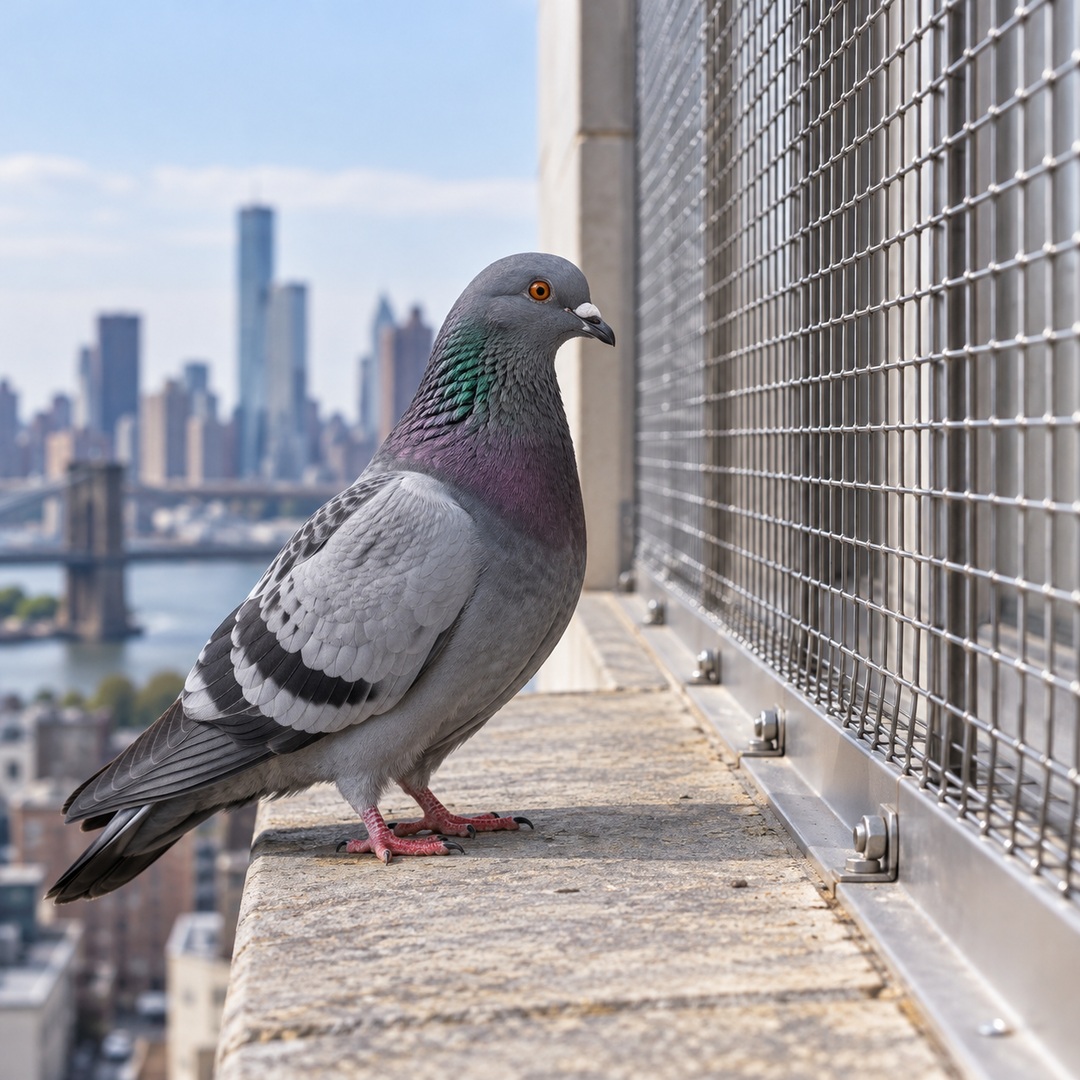
Pigeon activity on ledges sheltered roof areas and building openings can involve both an active animal issue and recurring access.
EXPLORE SERVICE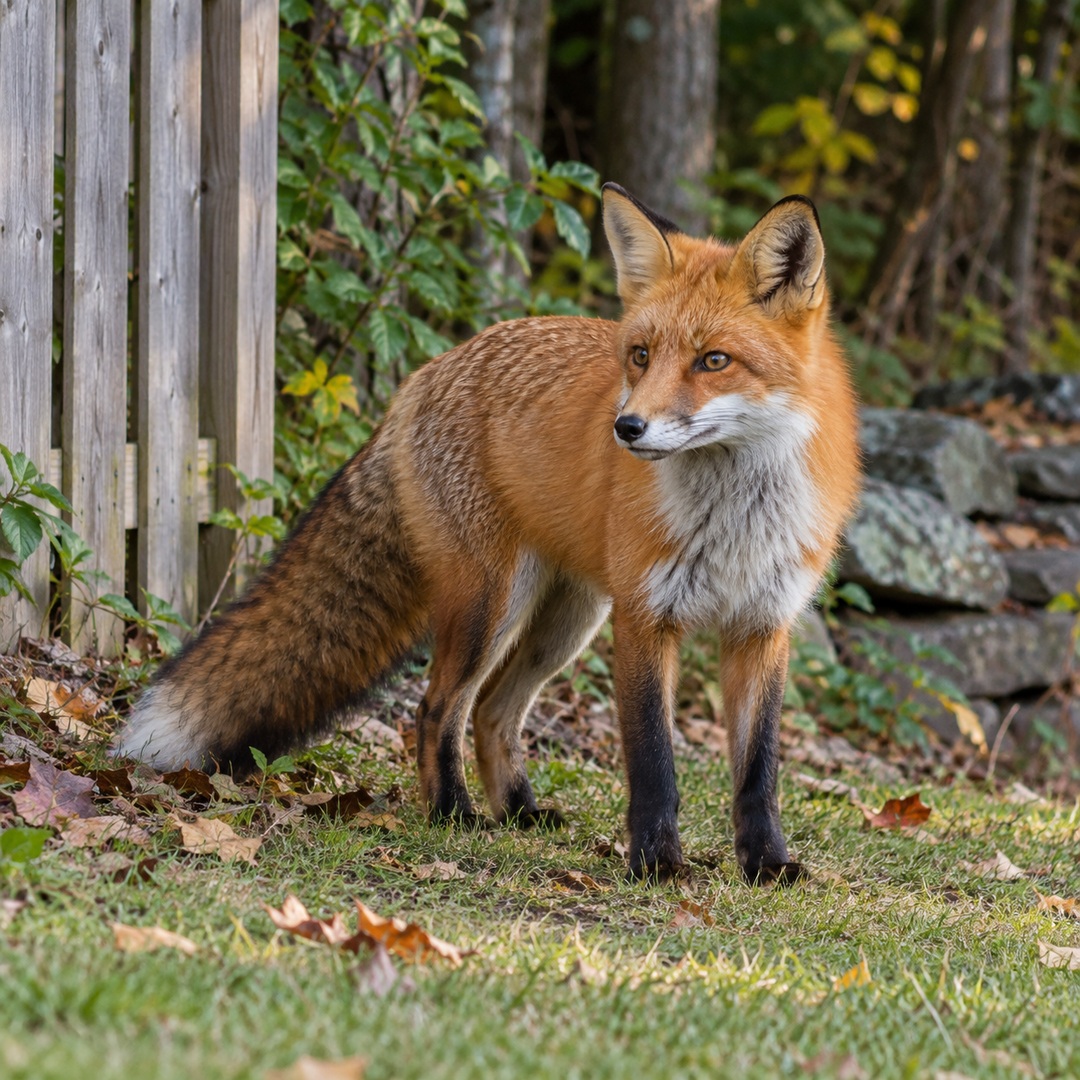
A reported predator concern needs identification and context. A sighting does not by itself establish the animal or the work required.
EXPLORE SERVICE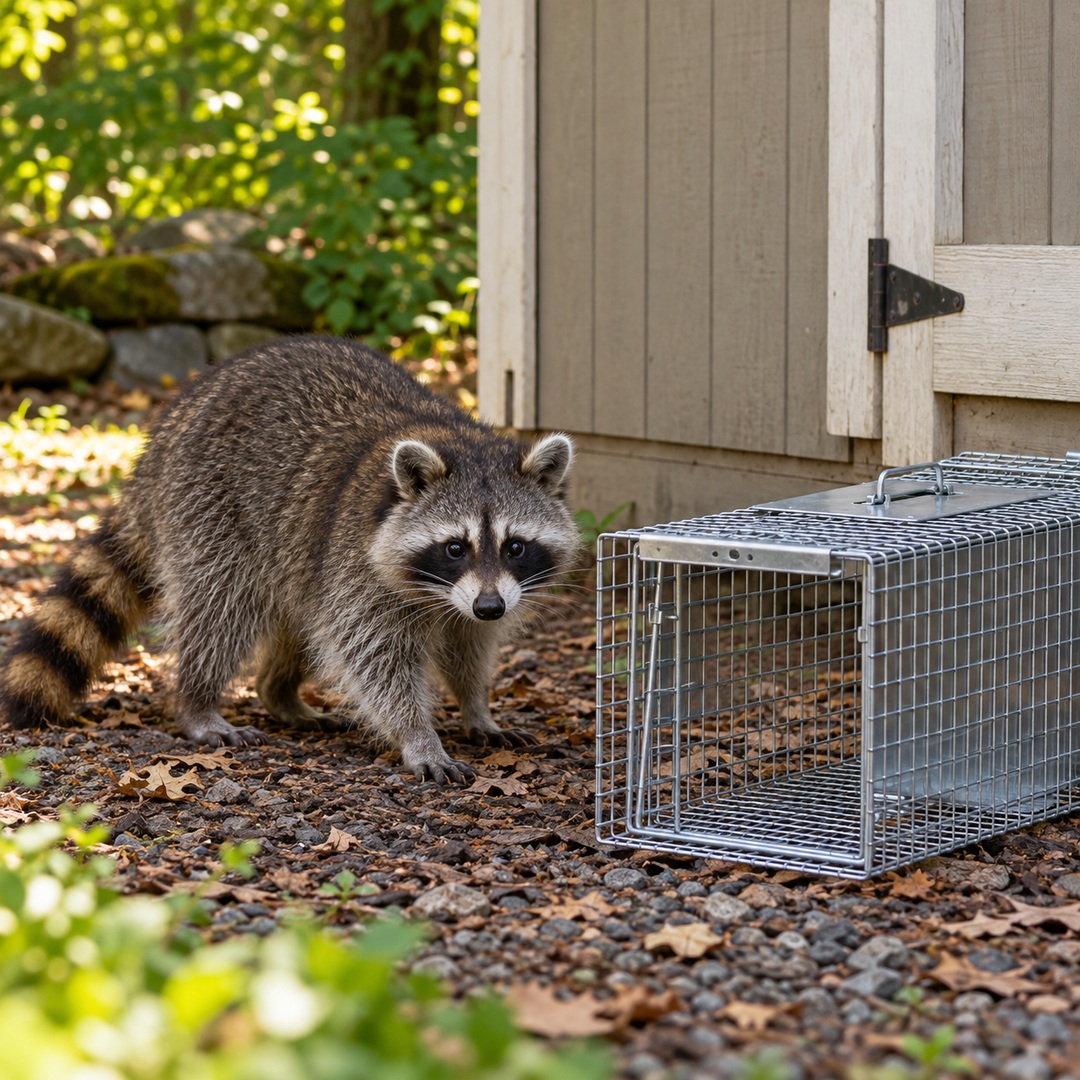
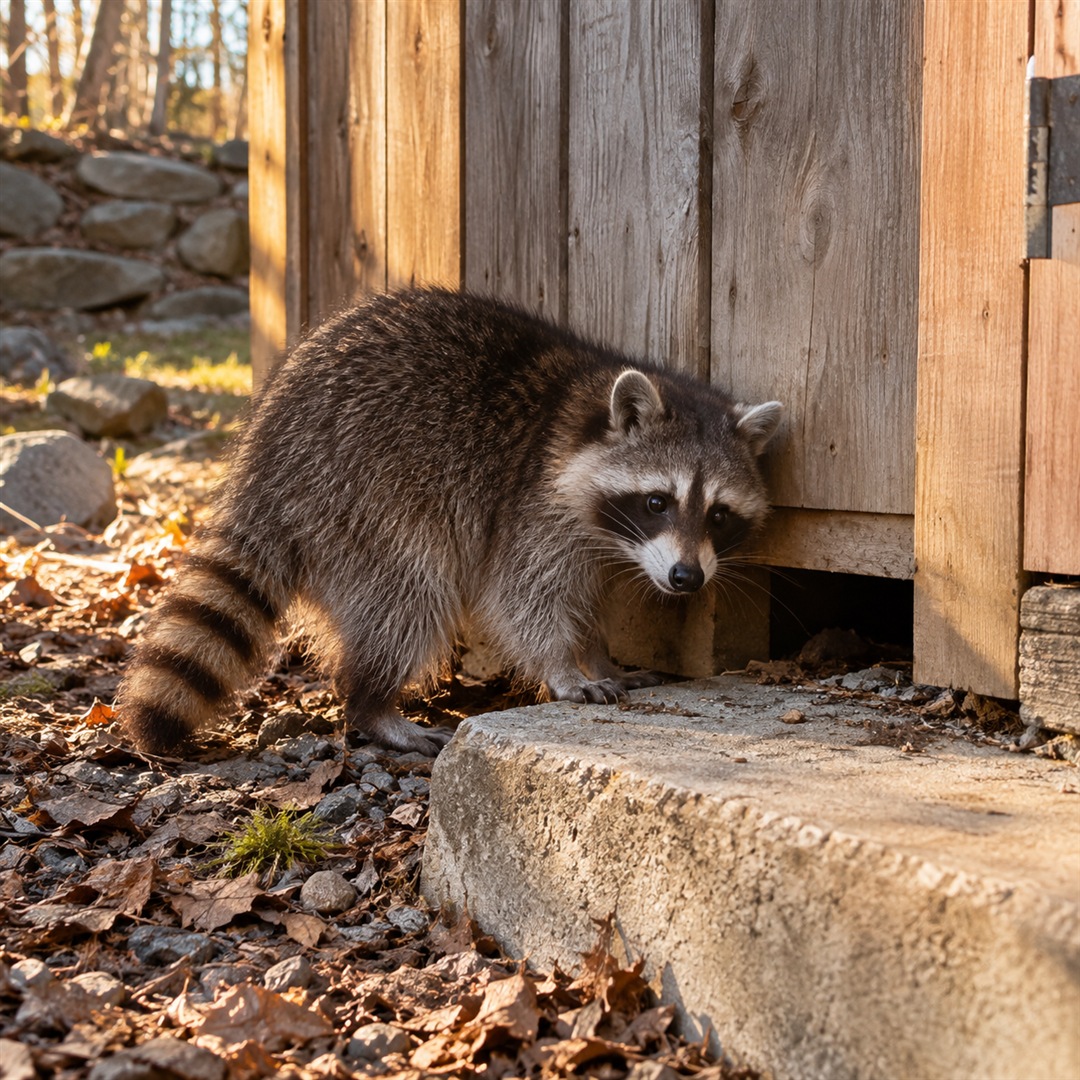
Raccoons may shelter in an attic outbuilding or protected space beneath a structure. The location determines how the problem can be assessed.
EXPLORE SERVICE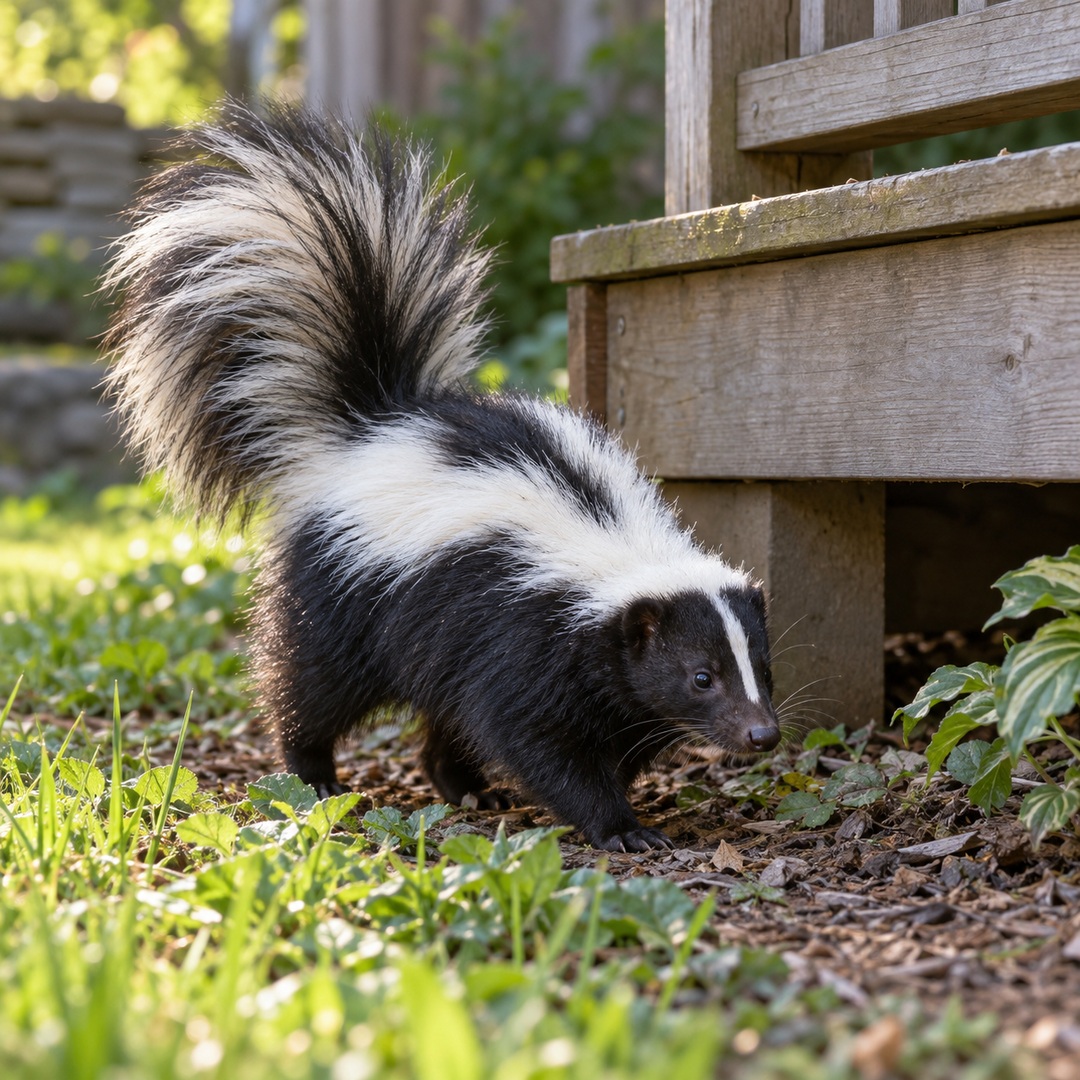
A skunk using the space beneath a deck or porch creates an access problem that needs a plan suited to the structure.
EXPLORE SERVICE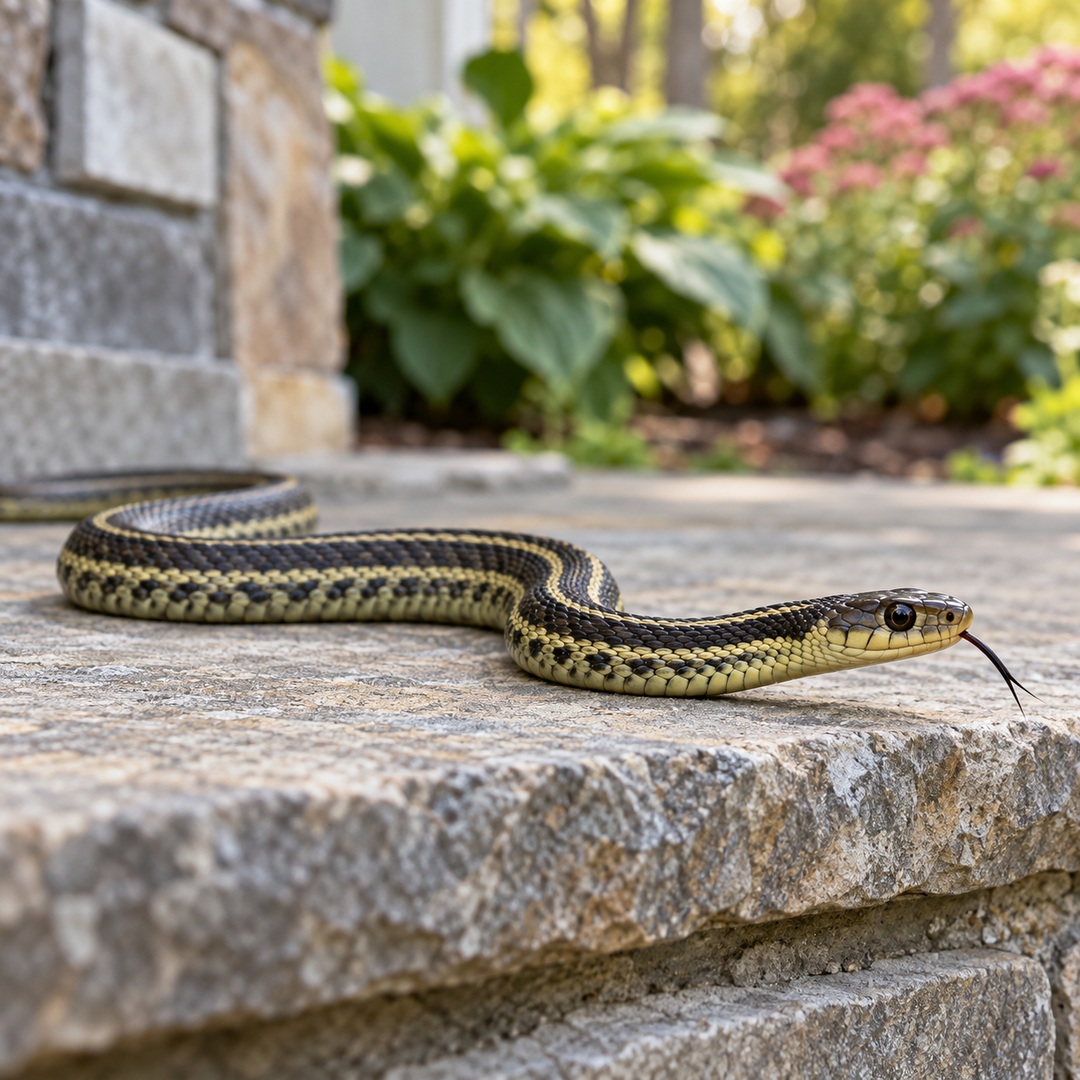
A snake encounter inside a building or sheltered opening needs identification and a clear understanding of where the animal is located.
EXPLORE SERVICE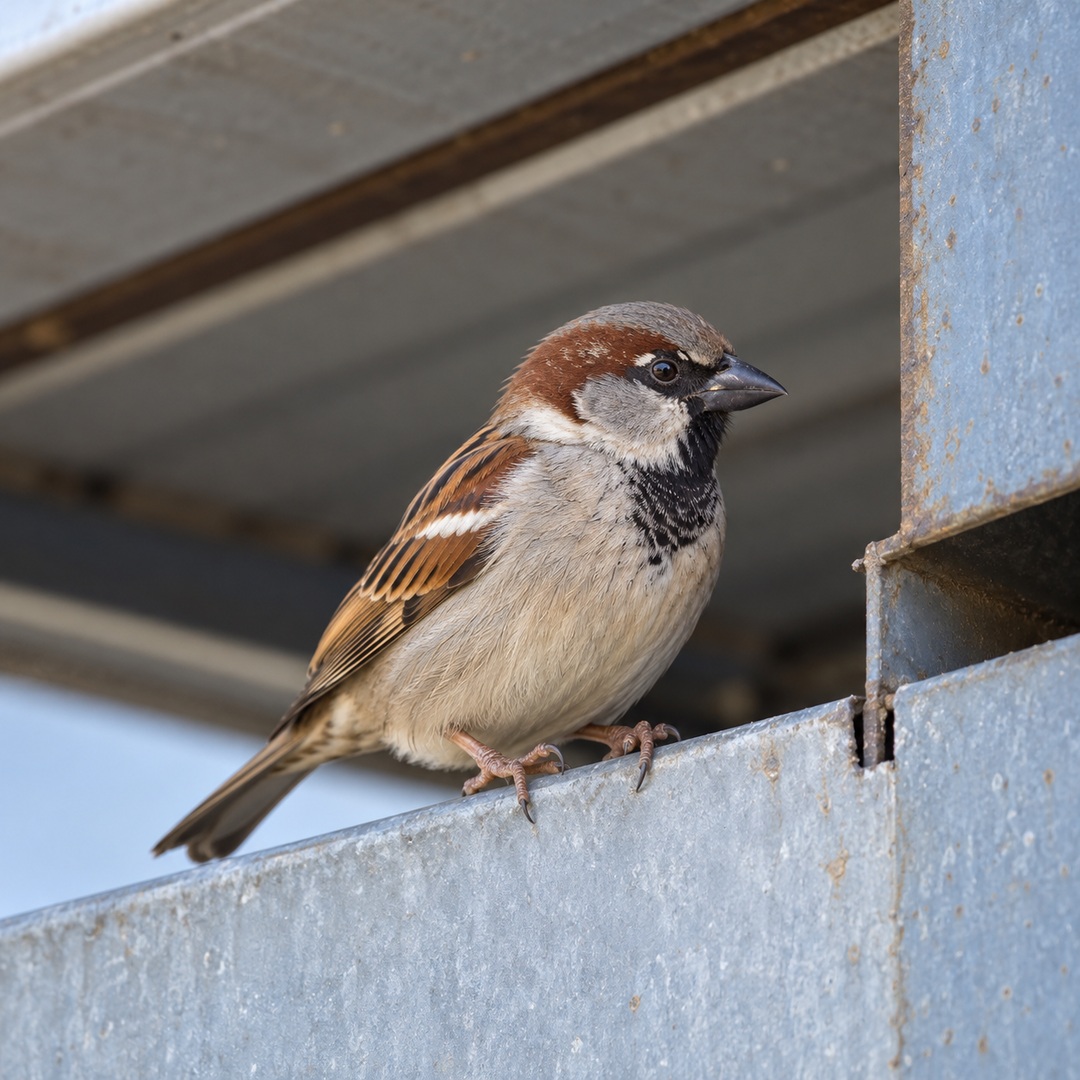
Sparrows using sheltered vents eaves or other openings can bring activity into a part of the building that is difficult to see.
EXPLORE SERVICE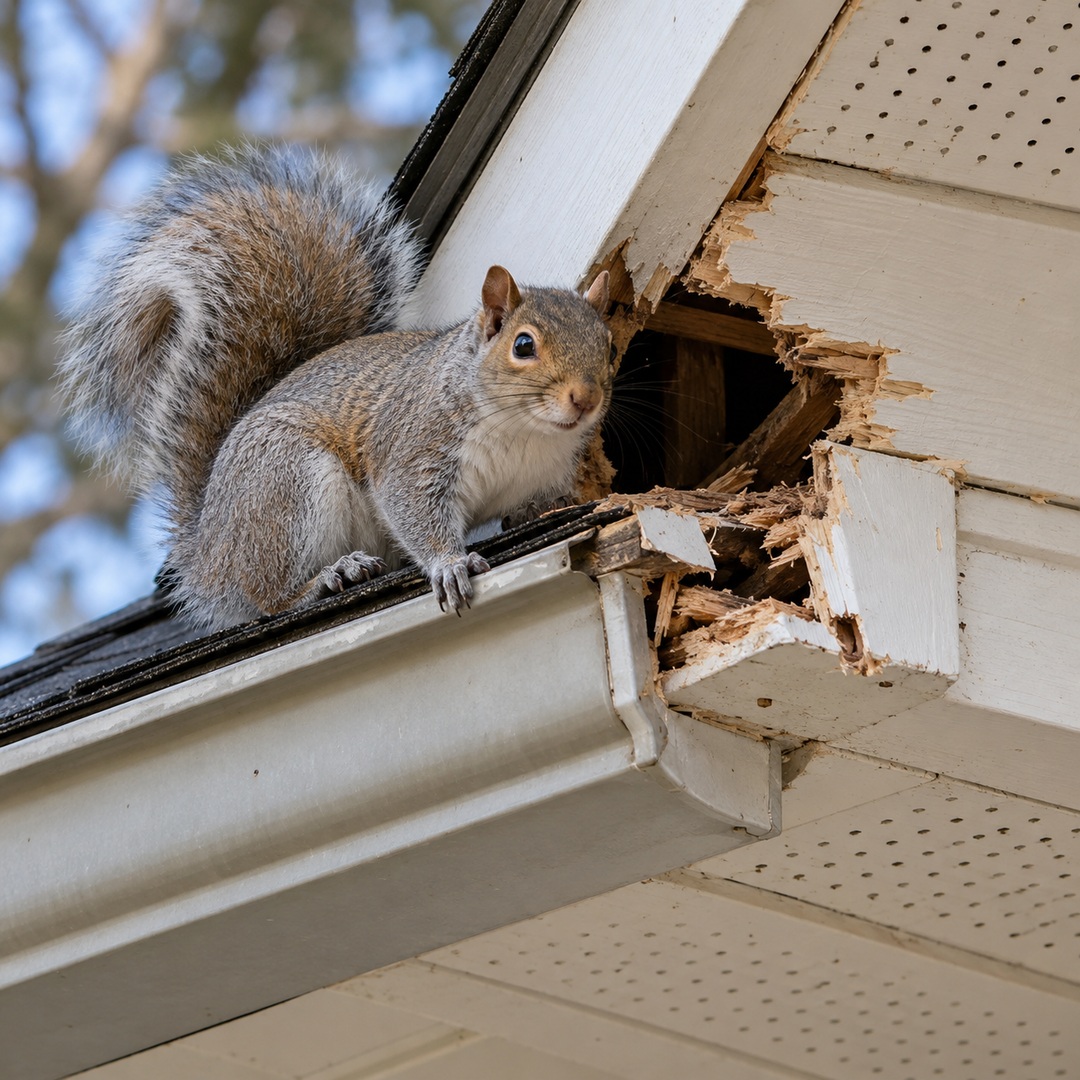
Movement around soffits roof edges or an attic can indicate squirrel access but the location and signs still need assessment.
EXPLORE SERVICE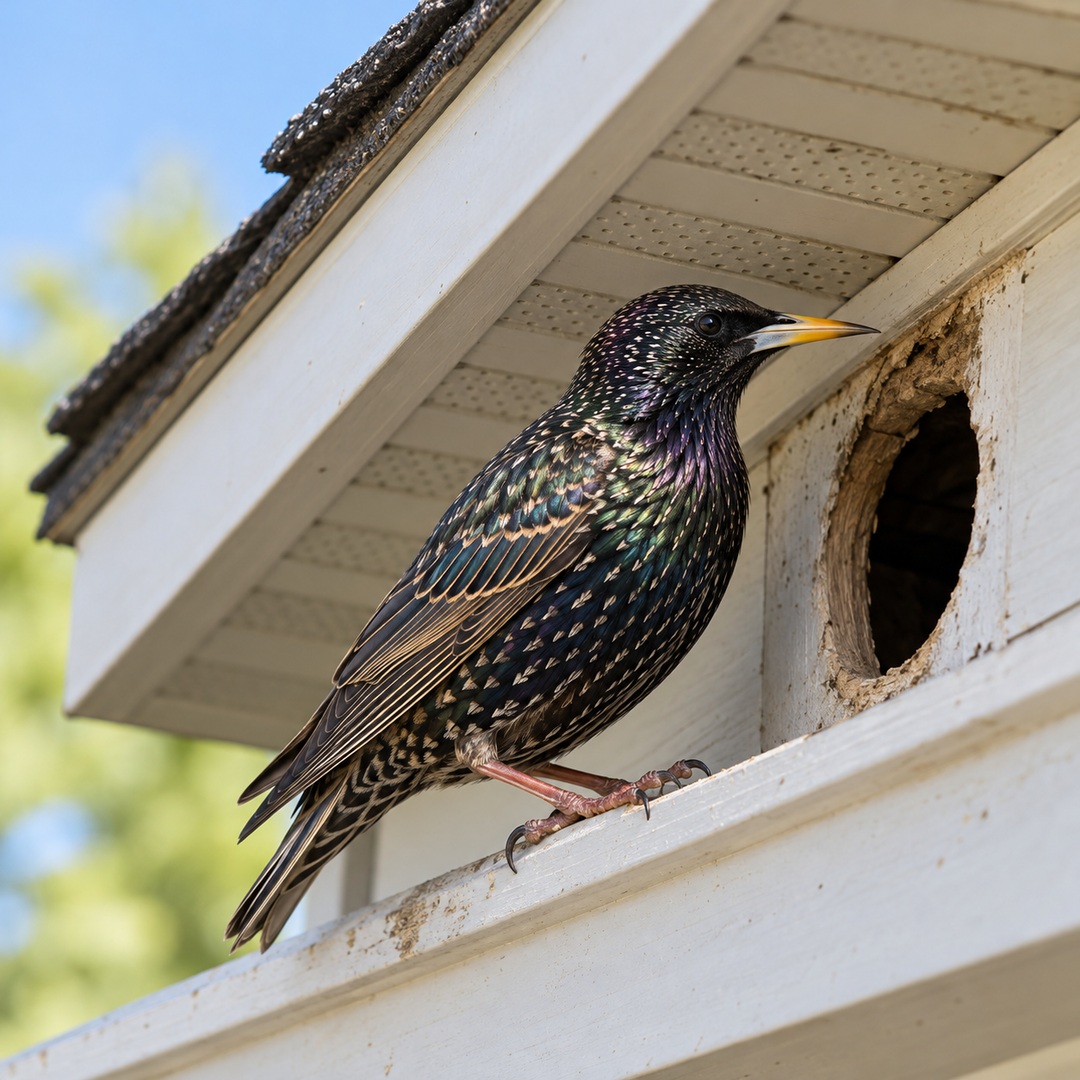
Starling activity around a vent or building cavity may involve nesting in a space intended for ventilation or equipment access.
EXPLORE SERVICE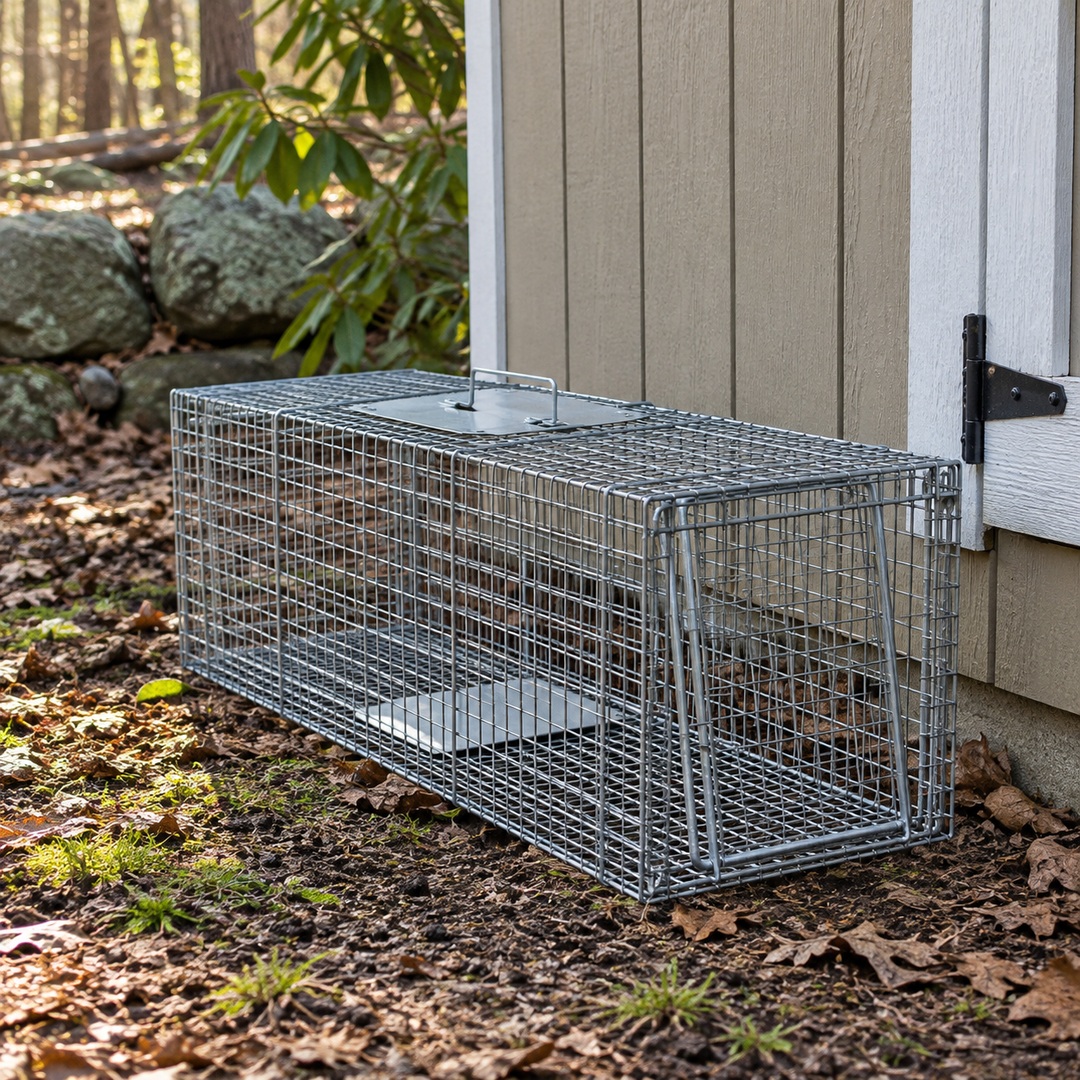
Wildlife trapping is planned around a particular animal and site. A generic trap placed without understanding the activity may not address the reported problem.
EXPLORE SERVICE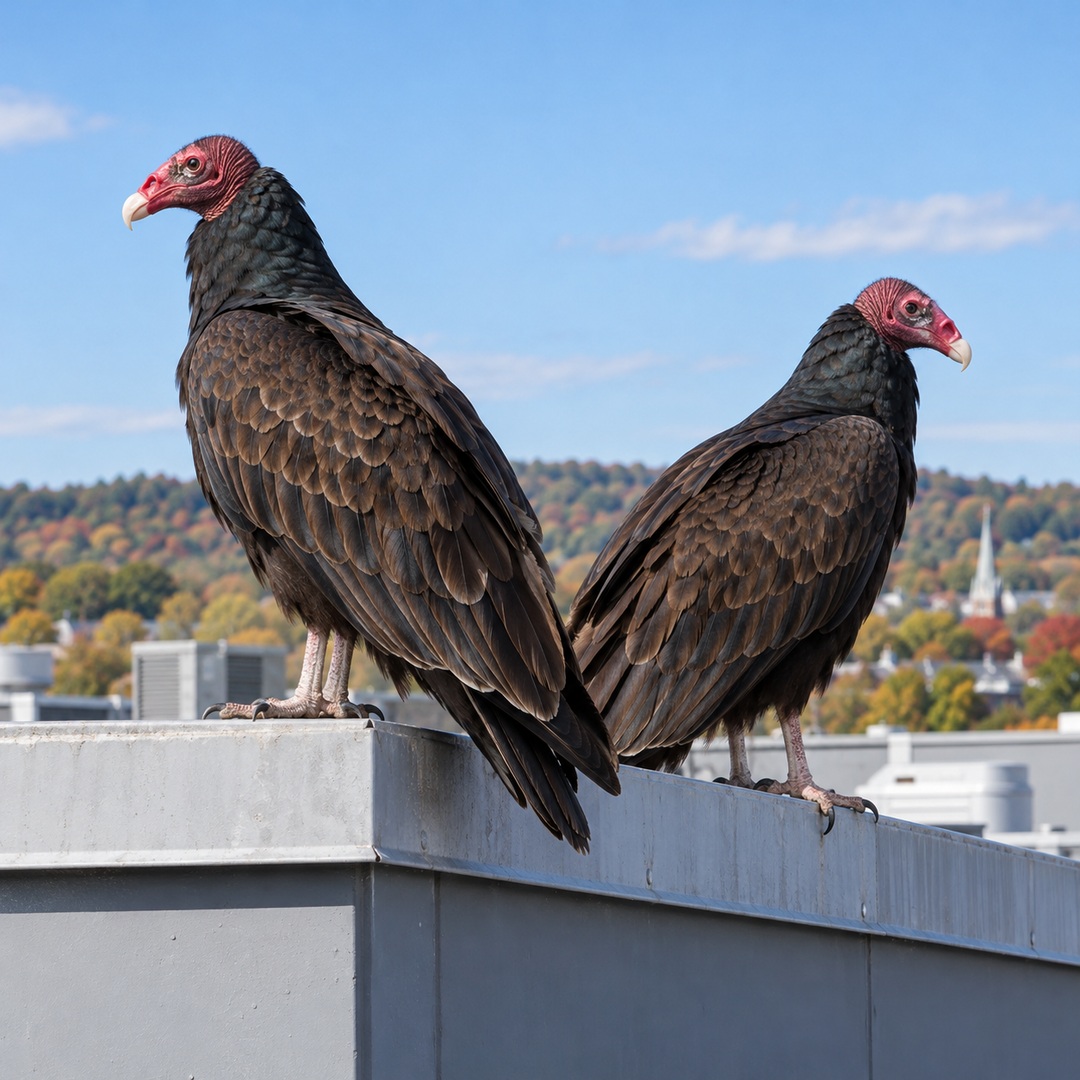
Turkey vultures repeatedly gathering at a building can require a site specific dispersal assessment.
EXPLORE SERVICE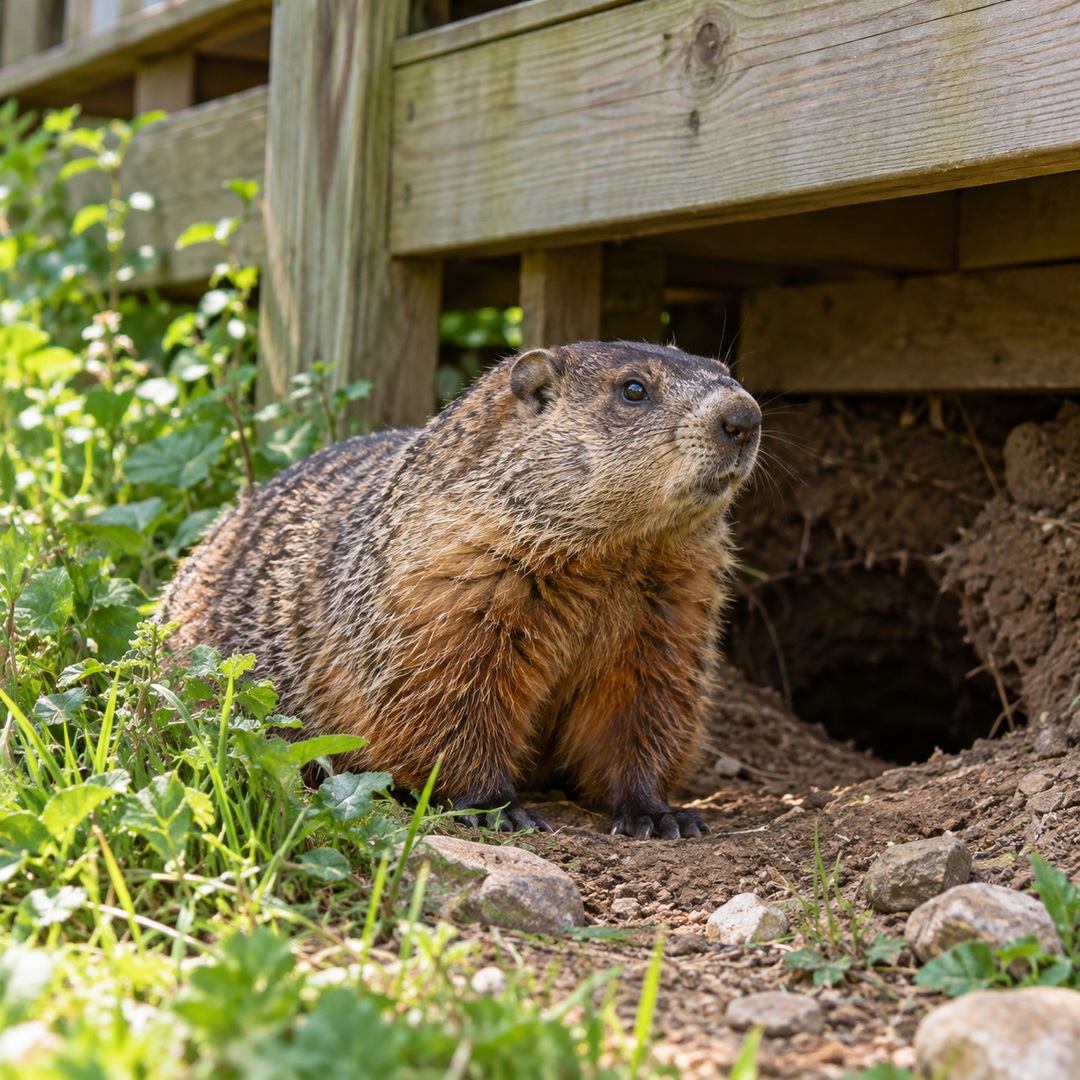
Woodchucks also called groundhogs may burrow beside sheds decks or foundations. The burrow location matters when planning access.
EXPLORE SERVICE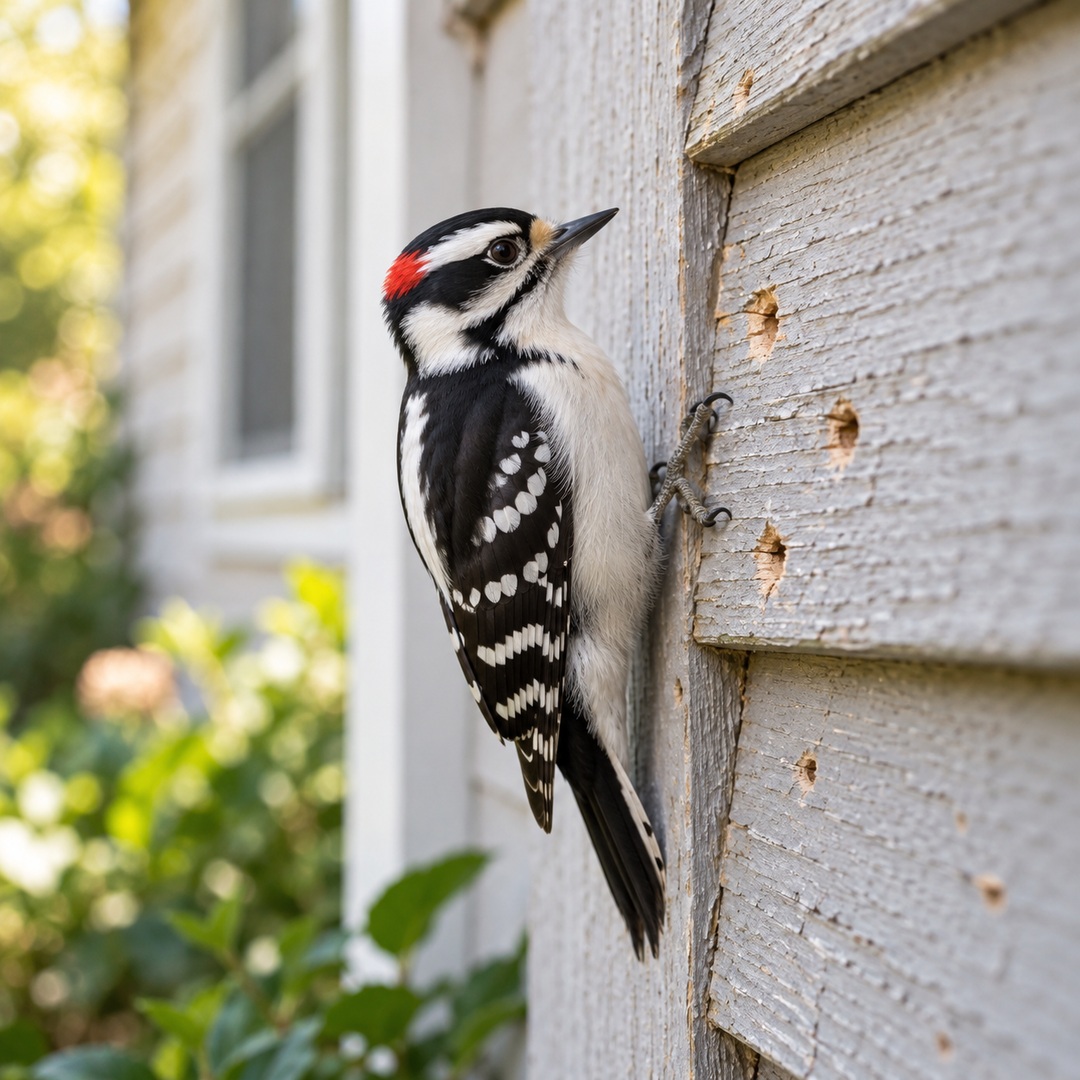
Repeated woodpecker activity on siding trim or another exterior surface needs a closer look at where and how the building is affected.
EXPLORE SERVICEWe Do Not Handle Cats Or Dogs
LET'S TALK ABOUT YOUR PROPERTY
Call or request a free consultation about the wildlife removal exclusion cleanup or insulation work your property needs.
Open 24 Hours • Emergency Services Available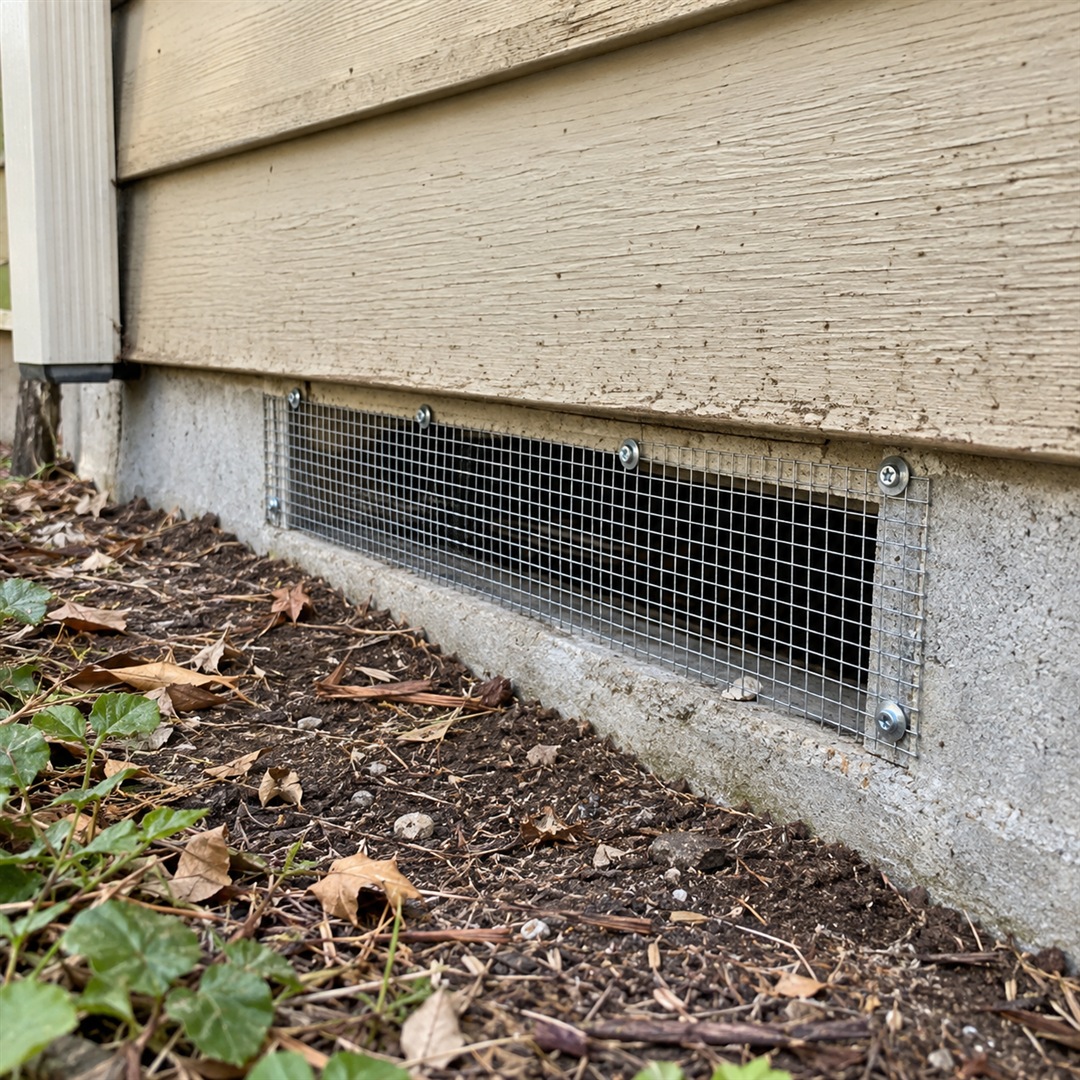
UNDERSTAND THE RESULT
Removal addresses the active animal issue. Protection of openings cleanup and insulation work are explained as separate recommendations where appropriate.
We discuss the findings before additional work is agreed. Ask which opening surface or material the recommendation covers and whether any follow up assessment is needed.
A SCOPE BASED ON THE PROPERTY
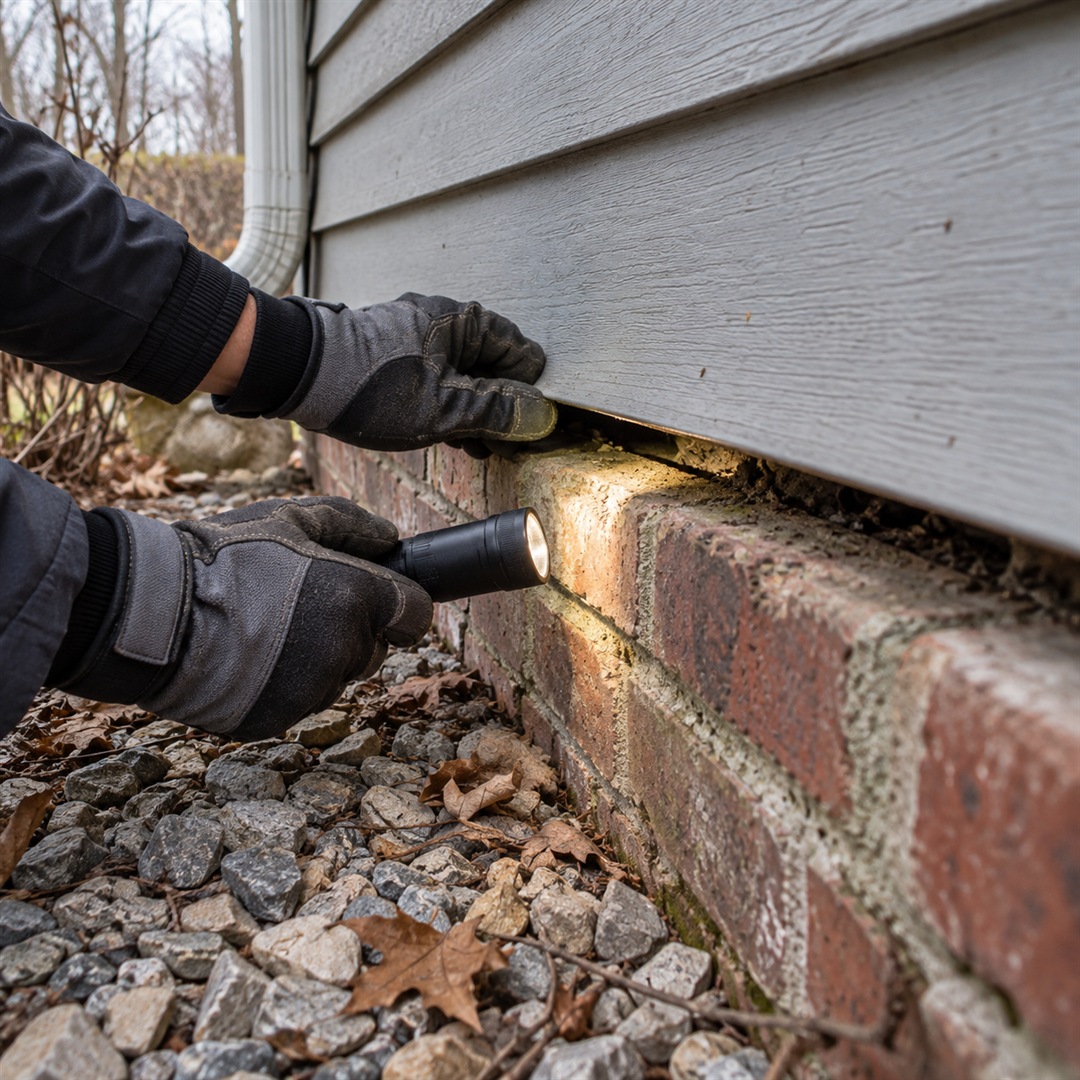
We review the animal signs the affected space and the accessible routes before recommending removal.
We begin with the reported problem and the accessible affected area. Share previous animal work repairs or cleanup so the recommendation can address what remains. The animal location building layout and access available guide the work.
Share steep driveways limited parking and tenant access arrangements when requesting the visit. These details help us discuss reaching the affected opening or material.
STRAIGHT ANSWERS
An animal in an attic and one sheltering beneath a deck call for different access and removal plans. We review the animal signs the affected space and the accessible routes before recommending removal.
We review the animal signs the affected space and the accessible routes before recommending removal. Tell us the exact location and any previous work at the affected opening or space.
Removal addresses the active animal issue. Protection of openings cleanup and insulation work are explained as separate recommendations where appropriate.
The proposal defines the work included. Removal exclusion repairs cleanup and insulation are separate service needs. We explain any additional recommendations before that work is agreed.
Yes. We serve homes rental properties commercial and industrial buildings and municipal properties. Identify the affected area and who can authorize access so the proposal can fit the site.
Call or text (607) 260-6622 or request a free consultation. Tell us the street neighborhood and whether the affected room is above below or beside the animal activity. For a multiunit property identify the unit and who can provide attic or exterior access.